What causes car shocks to go bad?
A vehicle’s shocks and struts, when in top operating condition, help keep the tires in contact with the road, ultimately improving the braking, handling and safety of your car, truck or crossover. Shocks and struts, like most of the parts on your vehicle, are subject to wear and tear and must be periodically replaced so optimum performance is maintained.
Common Causes of Worn or Failing Shocks
- Damaged Bushings: Rubber bushings reduce noise and vibration, and when they become damaged or worn, it can contribute to excessive movement; in response, premature wear to not only shocks and struts but also tires and other suspension parts can occur.
- Worn Internal Oil: Over time, the oil in your car struts and shocks can lose its viscosity due to the heat cycling process, and as this breakdown occurs, the oil will lose its ability to properly lubricate internal components – adversely affecting the ability of your car struts and shocks to mitigate the road’s impacts.
- Deteriorated Components: Through repeated use, internal components of your shocks or struts can fatigue, and as the valving components decline, they lose their damping effectiveness; this ultimately impacts the shock or strut’s overall performance.
- Driving Style: Aggressive driving, which may include fast speed over bumps, hard braking or sharp turns, contributes to accelerated wear.
- Overloading: Consistently hauling heavy loads or towing puts additional stress on the suspension, accelerating wear
- Environmental Exposure: Road debris, including salt, dirt and moisture, can cause rust while damaging the piston rod, leading to premature seal failure.
- Fluid Leaks: Damaged seals often result in oil leaking from the shock body, causing it to lose its damping capabilities.
Signs Your Shocks Are Going Bad
- Excessive bouncing
- Nose-dive braking
- Excessive body roll
- Fluid leaks
- Uneven tire wear
- Unusual noises
- Vehicle squatting
What Causes Car Shocks to Go Bad: Bottom Line
Car shocks and struts wear out primarily due to the constant, high-heat and repetitive movement involved in damping road vibrations, typically wearing down over 50,000 to 80,000 miles.
Have more questions about what causes car shocks to go bad? Contact our ASE-certified technicians at Elite Automotive Repair for more information about car struts and to schedule an appointment. Our auto shop serves vehicle owners in Longwood, FL, and the surrounding areas.
What causes car shocks to go bad? Learn common causes, warning signs, and when to replace worn shocks to improve ride comfort and safety.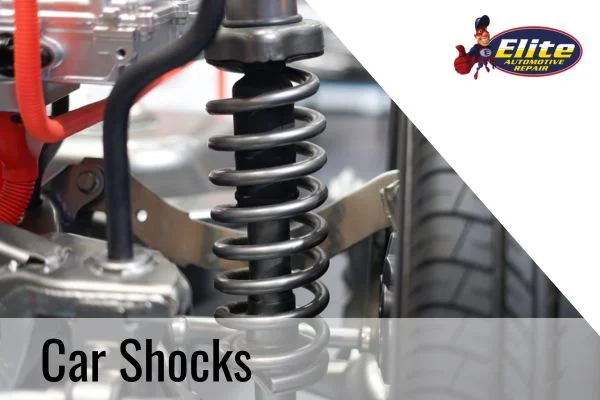
A vehicle’s shocks and struts, when in top operating condition, help keep the tires in contact with the road, ultimately improving the braking, handling and safety of your car, truck or crossover. Shocks and struts, like most of the parts on your vehicle, are subject to wear and tear and must be periodically replaced so optimum performance is maintained.
Common Causes of Worn or Failing Shocks
- Damaged Bushings: Rubber bushings reduce noise and vibration, and when they become damaged or worn, it can contribute to excessive movement; in response, premature wear to not only shocks and struts but also tires and other suspension parts can occur.
- Worn Internal Oil: Over time, the oil in your car struts and shocks can lose its viscosity due to the heat cycling process, and as this breakdown occurs, the oil will lose its ability to properly lubricate internal components – adversely affecting the ability of your car struts and shocks to mitigate the road’s impacts.
- Deteriorated Components: Through repeated use, internal components of your shocks or struts can fatigue, and as the valving components decline, they lose their damping effectiveness; this ultimately impacts the shock or strut’s overall performance.
- Driving Style: Aggressive driving, which may include fast speed over bumps, hard braking or sharp turns, contributes to accelerated wear.
- Overloading: Consistently hauling heavy loads or towing puts additional stress on the suspension, accelerating wear
- Environmental Exposure: Road debris, including salt, dirt and moisture, can cause rust while damaging the piston rod, leading to premature seal failure.
- Fluid Leaks: Damaged seals often result in oil leaking from the shock body, causing it to lose its damping capabilities.
Signs Your Shocks Are Going Bad
- Excessive bouncing
- Nose-dive braking
- Excessive body roll
- Fluid leaks
- Uneven tire wear
- Unusual noises
- Vehicle squatting
What Causes Car Shocks to Go Bad: Bottom Line
Car shocks and struts wear out primarily due to the constant, high-heat and repetitive movement involved in damping road vibrations, typically wearing down over 50,000 to 80,000 miles.
Have more questions about what causes car shocks to go bad? Contact our ASE-certified technicians at Elite Automotive Repair for more information about car struts and to schedule an appointment. Our auto shop serves vehicle owners in Longwood, FL, and the surrounding areas.